Case study · The handwriting-to-post pipeline
Write by hand. Publish like a studio.
Every morning I write with a pen, on paper, on a timer. Minutes after I snap the pages, they're digitized word for word. And while I do my one manual edit, my own character is already illustrating what I wrote. Here is the exact pipeline.
The creative work stays 100% mine: the AI is not allowed to write a single sentence. It only does the labor I would never do by hand. That split is the whole design.
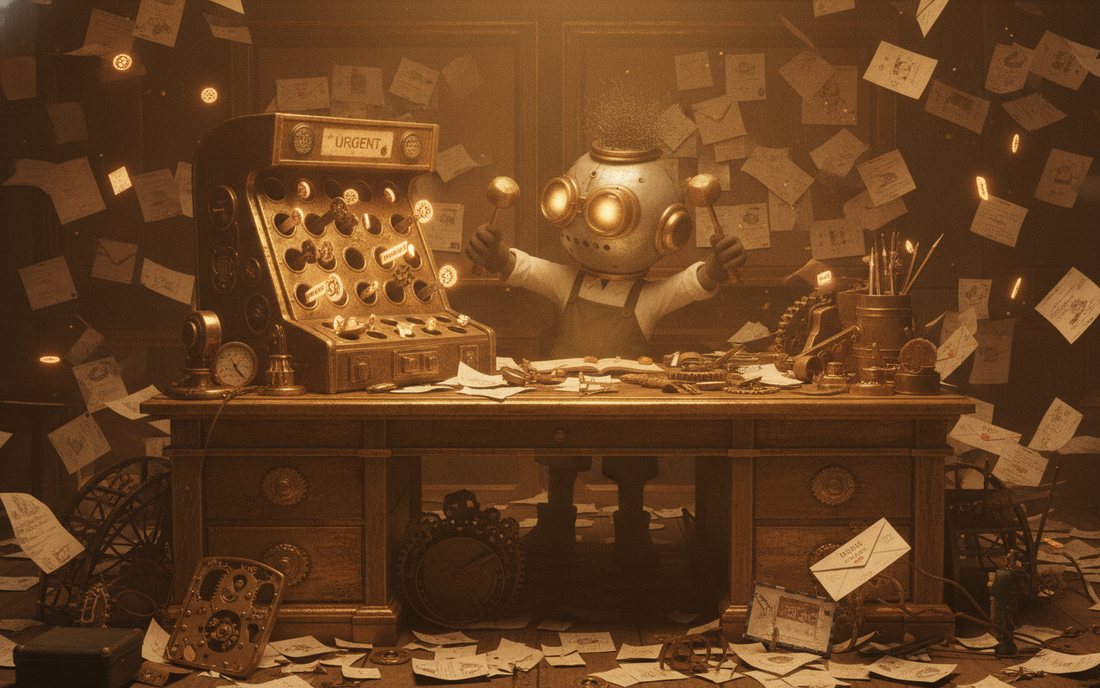
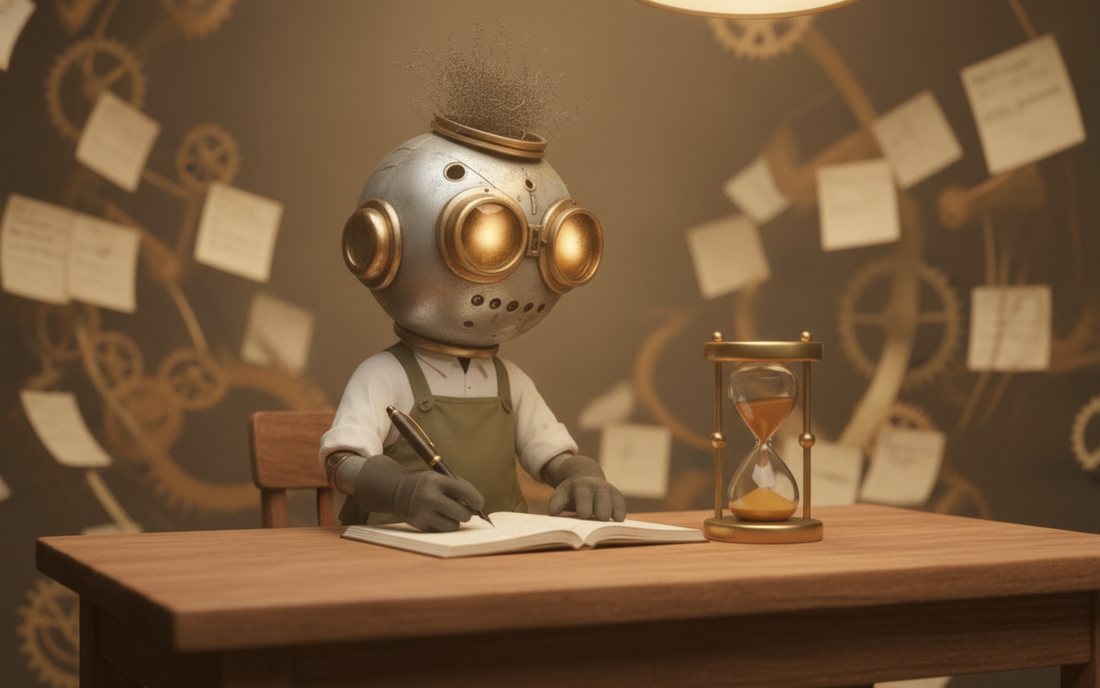
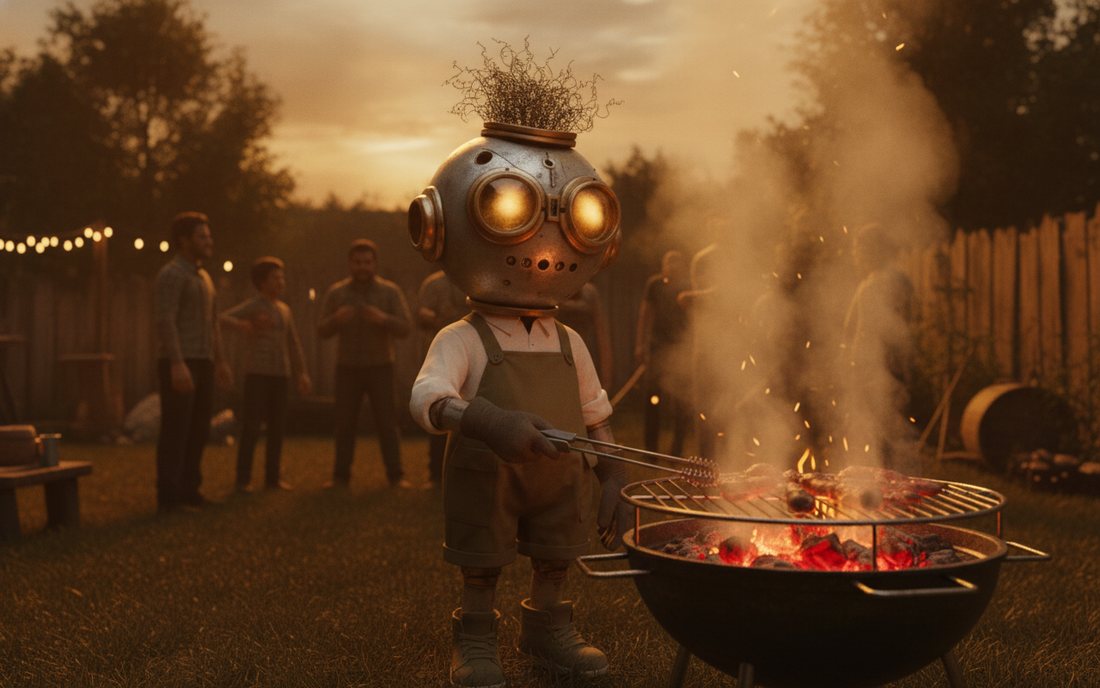
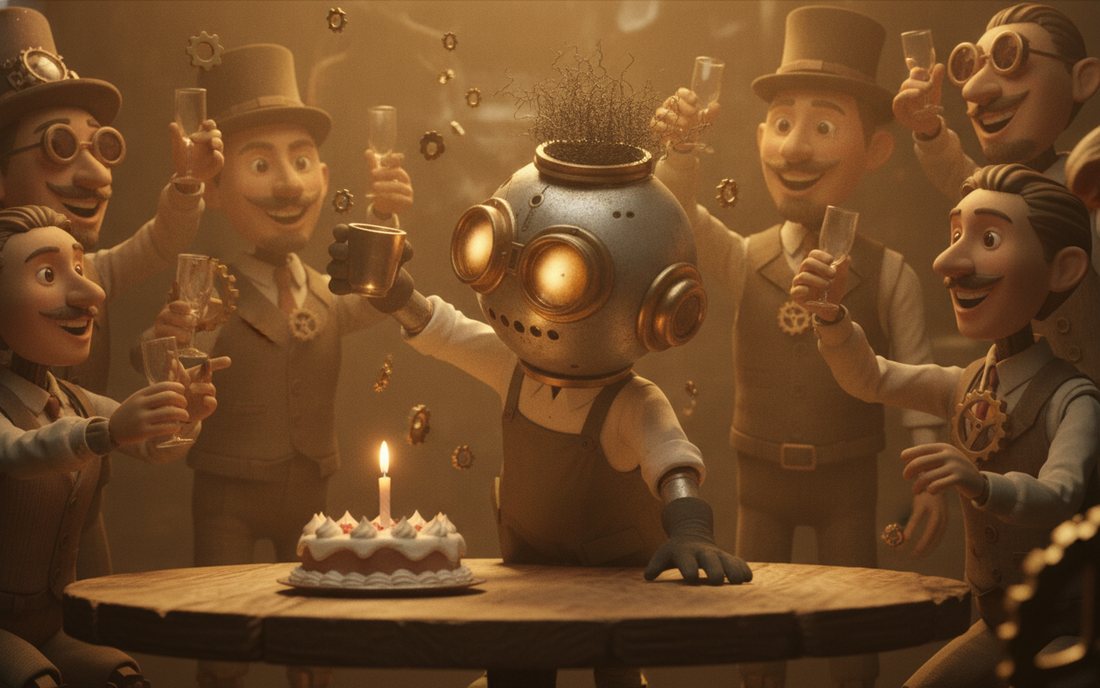
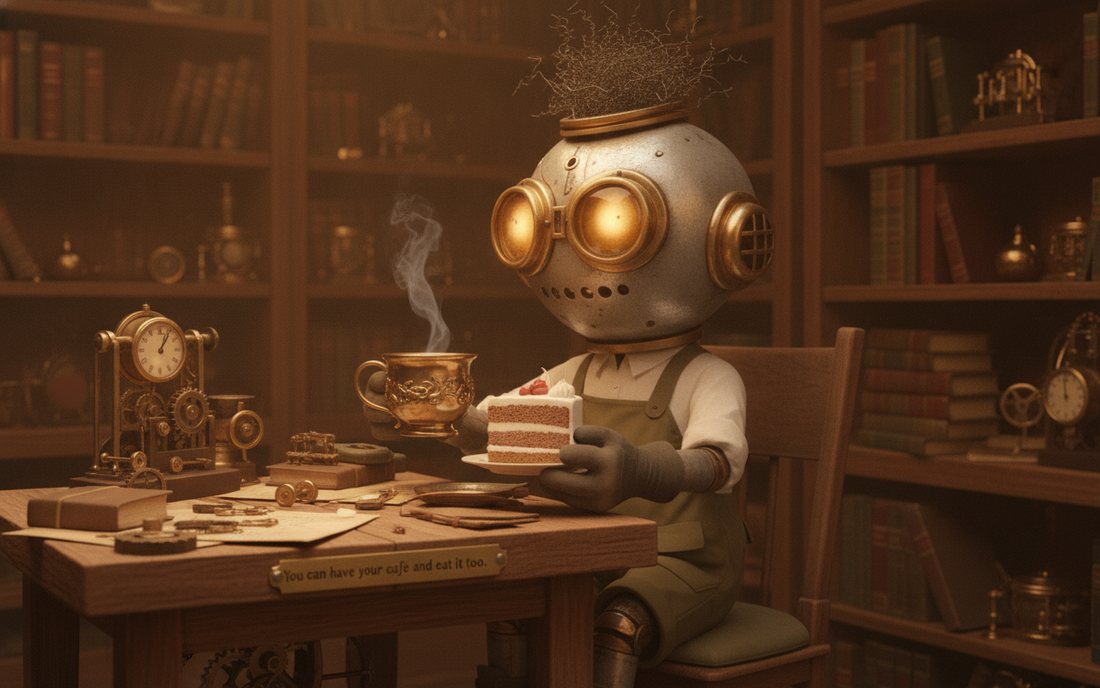
One real post, July 13, start to finish. Same notebook, same words, same morning.
The familiar trap
If you write, you already know the choice.
- You keep it raw and honestly yours. A notebook full of thinking nobody will ever read. Typing it up, illustrating it, translating it: that's a second job you don't have time for.
- Or you "produce content." You hand the words to a machine that polishes, formats and optimizes, and every post sounds a little less like you. Ask it to write long enough and your voice is gone.
That's the trap: your voice stays in a drawer, or your voice gets replaced.
The post in this case study is literally about refusing that kind of choice. It argues for living in the "and", not the "or". So does the pipeline that published it.
The pipeline, step by step
Two kinds of steps. you is my judgment and my voice. auto is agent labor. Watch which one owns the words.
Write by hand, on a timeryou
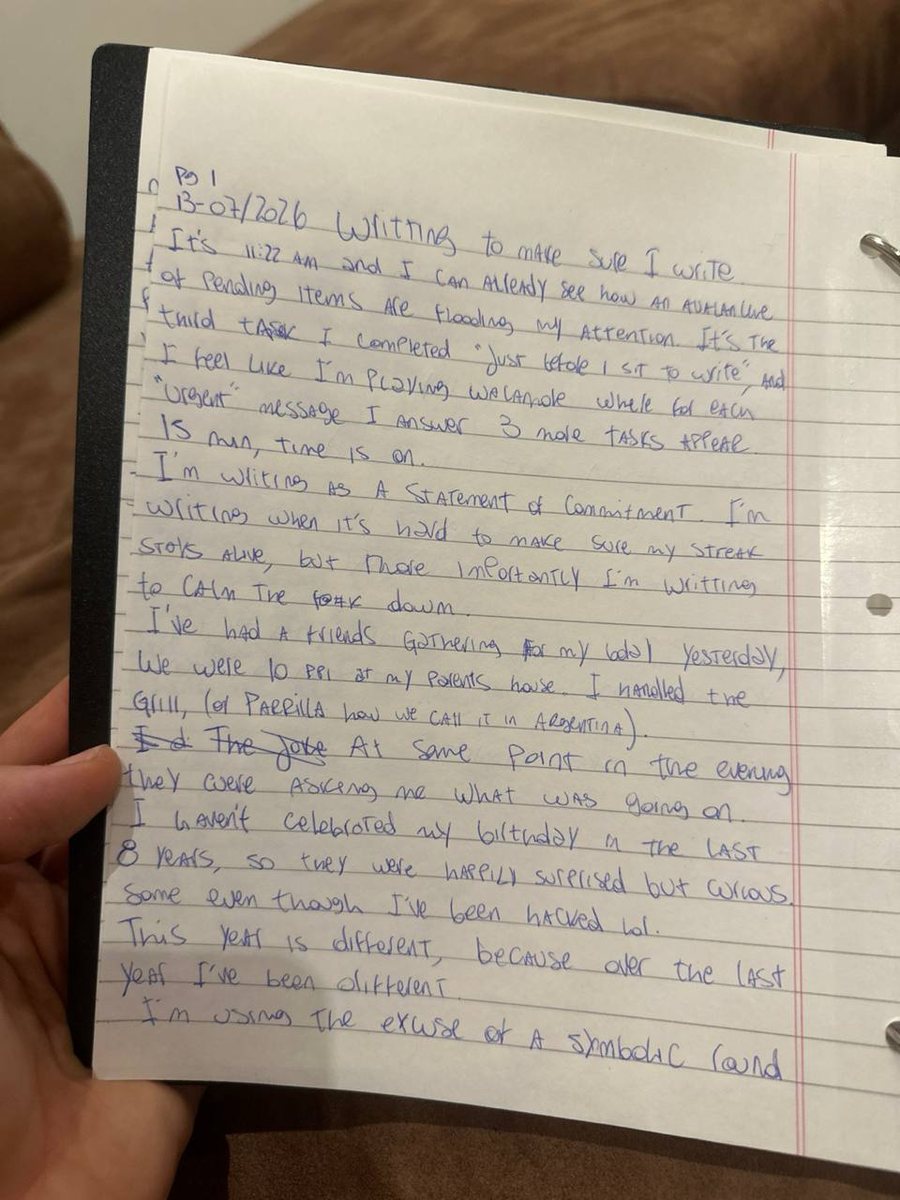
Pen, paper, 15 minutes. Writing by hand is not a quirk, it's the point: writing is thinking, and paper has no notifications. July 13 opens mid task-avalanche: "I'm writing to calm the f#@k down."
Snap a photo, send it to a botyou
Phone photo of each page, sent to a Telegram bot. That's the entire handoff. The bot routes the pages to my AI system and the pipeline wakes up.
Digitize every word, exactly as writtenauto
The system transcribes the pages verbatim. Not cleaned up. Verbatim. My misspellings, my crossed-out words, the lines I squeezed in above other lines. The transcription rule is the voice guarantee: the AI is not allowed to fix me.
…more importantly I'm writting to calm the f#@k down.
I d The Joke At some point in the evening they were asking me what was going on.
Left: the page. Right: what the system produced. "Wacamole", the double-t "writting", even the crossed-out false start survive. Fixing them is my call, in my edit.
I edit while the images generateyouauto
This is the elegant part: two things happen at once.
Me
A manual edit pass over the verbatim text. I wrote fast on a timer, so now I flesh it out, fix what I want fixed, and mark where images should land. Every word choice stays mine.
Meanwhile, the agent
Reads what the post is saying and generates 5 to 8 images of my own character living the post's moments. By the time I finish editing, they are waiting for me.
Pick, paste, publishyou
I choose the 1 to 3 images I like most, paste the edited text into my community, drop the images in, and it's out. Total ceremony: none.
How the character stays the character
The little robot is Anitinke. He shows up in post after post, in whatever scene the writing calls for, and readers recognize him instantly. That doesn't come from a model "remembering" him. Models can't. It comes from a locked design.

Every generation gets the canon references attached and one short instruction: this exact character, new scene. One change per image, and each winner becomes the next reference.
Honest print: he holds up in most generations, not all of them. I curate; the misses never ship.
The full system behind this (the canon, the references, the one-change rule) has its own case study.
The proof
This is the system behind my daily writing practice: 18 consecutive handwritten posts, digitized, illustrated and published as part of a 90-day challenge. The July 13 post you saw above is simply the day this page picked.
"AI is not writing for me, and I don't want it to. Writing is thinking. But I can write by hand and never have the time to type it all up. That is exactly the work an assistant should take."
Me, describing the pipeline on a client call, July 14
A day after that call, the person on the other end asked to build the same system for his own newsletter.
What this means for you
My rules are handwriting, verbatim fidelity and a steampunk robot. Yours will be different: voice notes on a walk, a sketchbook, interview recordings, a brand mascot, a newsletter in two languages. The shape underneath is the same.
If your ideas die in the gap between "I captured it" and "I published it", that gap is exactly what an AI pipeline should close. Not by writing for you. By carrying everything except the writing.
Book a call20 minutes. You tell me how you create, I tell you which parts of your process an assistant can carry and which parts should stay yours. No hype.
Build notes
The pipeline runs on Claude, a Telegram bot, and an image model working from Anitinke's reference sheet. The character gets a little more himself with every post: every generation that ships becomes canon for the next one. What mattered most to me was not the automation. It was discovering that the more honest the system is about what it must never touch, the more useful it becomes everywhere else.